
Breaking into the consumer electronics space is brutal.
Low margins. Spec-obsessed competitors. Amazon saturation. Paid ads eating profits alive.
Yet YoWhick Projectors went from zero visibility to $100,000+ in monthly revenue in record time—and is now running at $600K–$700K/month, preparing for exit.
This wasn’t luck.
It was strategy, positioning, and execution at a ruthless level.
This case study breaks down exactly how it was done.

Project Overview
Brand: YoWhick Projectors
Category: Consumer Electronics
Primary Channels: D2C Website + Amazon
Goal:
Build visibility, demand, and revenue for an unknown projector brand in an overcrowded market.
The Starting Point: A Brand With Everything Against It
When I stepped in, YoWhick had solid hardware but hardware alone doesn’t sell anymore.
Key Problems Identified
• No brand story
• No emotional positioning
• Weak Amazon listings with low CTR and CVR
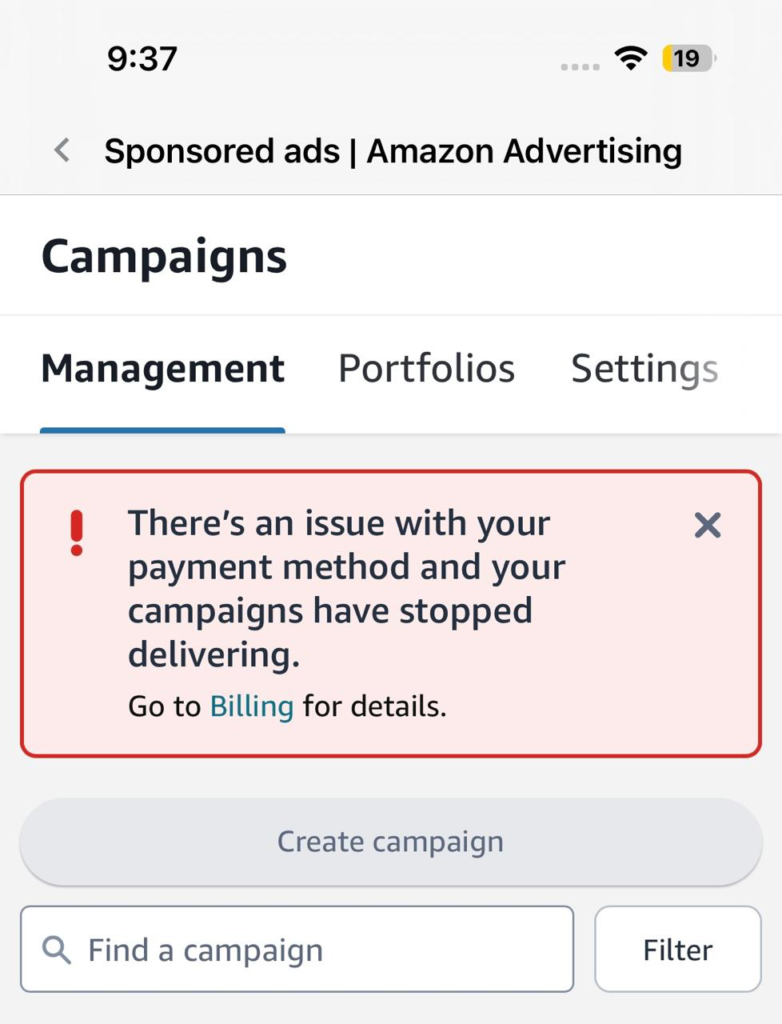
• Paid ads not scaling due to billing errors and broken campaign structure
• Competing purely on specs in a spec-saturated market
In short:
It was invisible. And invisible brands don’t convert.
The Strategic Problem Most E-commerce Brands Miss
The False Assumption
Most e-com brands assume customers buy because of specs and in this case it was:
• Lumens
• Resolution
• Ports
• Contrast ratios
That assumption kills growth.
The Truth (Data + Behavior)
Customers don’t buy specs.
They buy moments, emotions, and use cases.
Specs justify a purchase after desire is created.
They don’t create desire.
The Reality Before the Growth Curve
This wasn’t one of those fairy-tale case studies where everything clicks from day one.
When YoWhick came to me, the product itself was fine. Solid build. Competitive pricing. No major functional gaps. On paper, it should have worked. In reality, it was invisible. No brand story. No emotional positioning. A weak Amazon listing that didn’t stop the scroll. Low CTR, low CVR. Paid ads stuck because of billing and payment failures. And a category drowning in lookalike electronics brands fighting over specs. The founder genuinely believed that a good product would eventually sell itself. That belief is one of the biggest myths in e-commerce, especially in electronics and especially on Amazon. They were bleeding cash really bad……!
The Insight That Changed the Entire Strategy
After digging deep into user intent, reviews, search behavior, and social content patterns, one thing became painfully clear.
People don’t buy projectors for specifications.
They buy them for experiences.
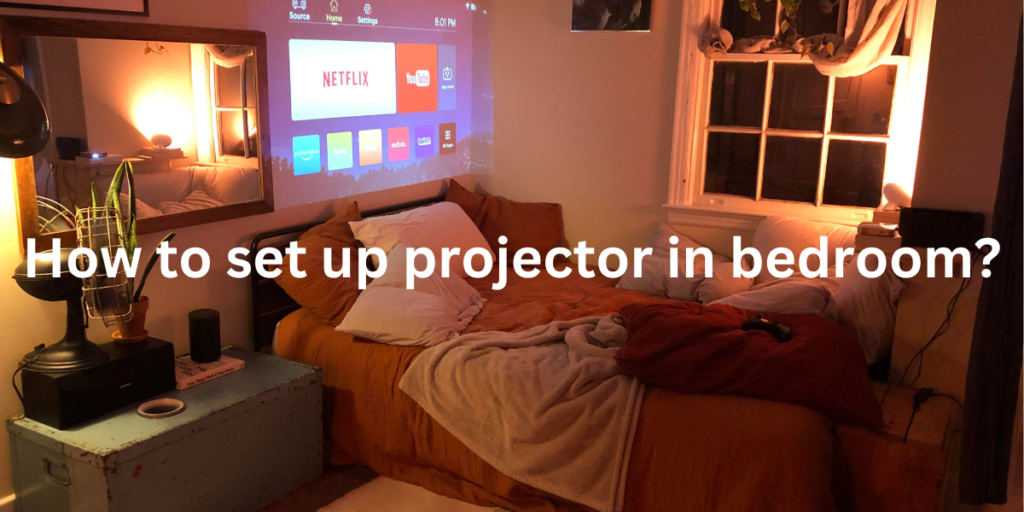
They imagine movie nights in their bedroom.
They imagine cozy date nights on the couch.
They imagine turning a blank wall into a cinema.
They imagine work-from-home presentations that don’t feel miserable.
The purchase decision was emotional long before it was technical.
So we stopped selling a gadget.
We started selling a moment.
We started selling a moment.

Reframing the Brand: From Device to Lifestyle
YoWhick was repositioned entirely. Not as a “1080p projector with X lumens.”
But as:
A 100-inch screen that fits in your bag.
A cozy movie-night upgrade without a TV.
A bedroom cinema you can set up in seconds.
A portable work and entertainment solution.
That shift alone changed how people perceived the product.
Once you sell the feeling, the specs stop being the hero. They become support.
Fixing Amazon Without Playing the Old Amazon Game
The Amazon listing was rebuilt with one goal: connection before conversion.
Yes, we improved the fundamentals. Better images. Cleaner hierarchy. Clearer benefits. But the biggest shift was psychological.
Instead of leading with features, we led with scenarios.
Instead of diagrams, we showed real rooms.
Instead of over-polished studio visuals, we made it feel human.
We invested heavily in A+ Plus content, not to look premium, but to feel relatable. The copy was simple. The visuals were warm. The product finally felt like it belonged in someone’s home.
And most importantly, we stopped chasing perfection. We focused on believability.
Why Scrappy UGC Outperformed “Perfect” Creatives
Rather than expensive shoots, we leaned into real, slightly raw UGC.
Phones. Natural lighting. Real apartments.
People reacting, not performing
Because customers don’t trust ads.
They trust reflections of themselves.That authenticity increased session time on the listing, improved engagement, and quietly signaled to Amazon’s algorithm that something interesting was happening here. The listing started getting picked up.
The Problem Nobody Likes to Talk About: Ads Were Broken
Here’s the part most case studies conveniently skip.
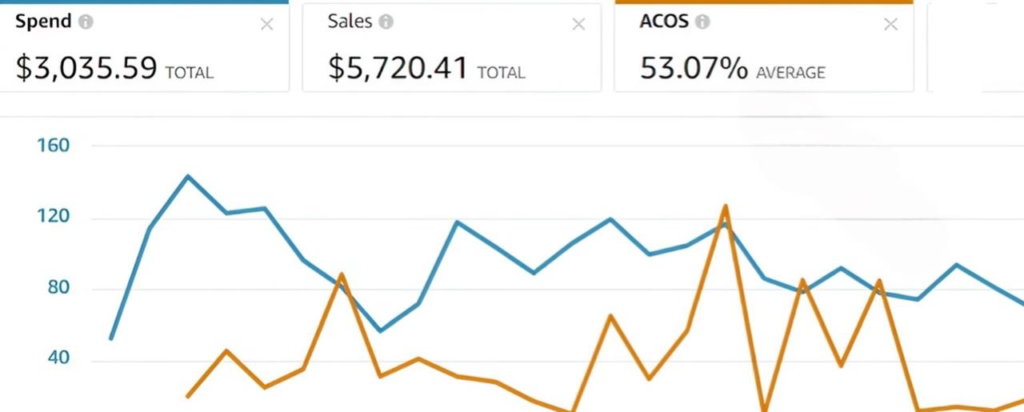
Amazon Ads were not working. Billing failures. Payment issues. Campaigns stalled. Zero momentum. We had already spent heavily on brand registry, listing optimization, and creative groundwork, but traffic wasn’t coming in. Waiting wasn’t an option. So I made a decision most brands are afraid to make.
The Pivot: We Brought Our Own Traffic
If Amazon wasn’t going to send us traffic, we would send traffic to Amazon.
We went all in on TikTok and Instagram Reels.
Not product demos.
Not feature breakdowns.
But lifestyle-first content.
Short-form videos that showed how the projector transformed a space. How it felt to use it. How it changed a normal evening.
People didn’t feel sold to.
They felt pulled in.
When Attention Meets Intent
The content took off.
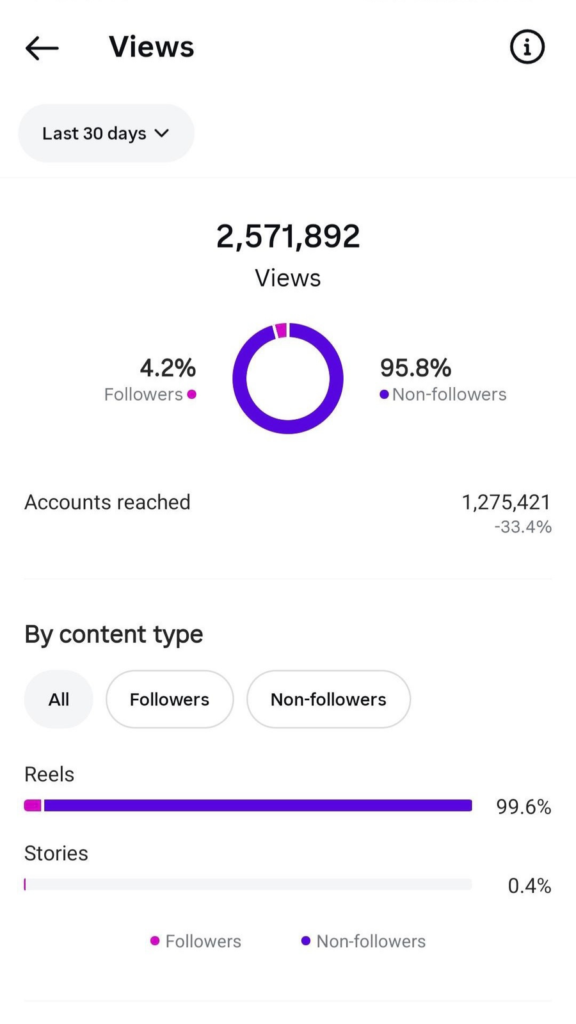
Over 2.5 million video views.
Over 1 million profile visits.
DMs pouring in daily.
But the most important signal wasn’t vanity metrics.
People started searching for the brand name on Amazon.
Not “mini projector.”
Not “portable projector.”
They were searching for YoWhick.
That’s when you know you’re no longer competing on price.That’s when momentum flipped.
Turning Momentum Into Revenue
Once traffic was flowing, we tightened the system.
Social content handled awareness and intent creation.
Amazon Ads focused only on bottom-funnel conversion.
We pushed aggressively for verified reviews.
The listing was kept fresh, active, and alive.
Traffic created curiosity.
Trust closed the sale.
That combination led to the breakout.
The $105,000 Month That Changed Everything
Without a perfectly running ad stack.
Without deep discounts.
Without burning margins.
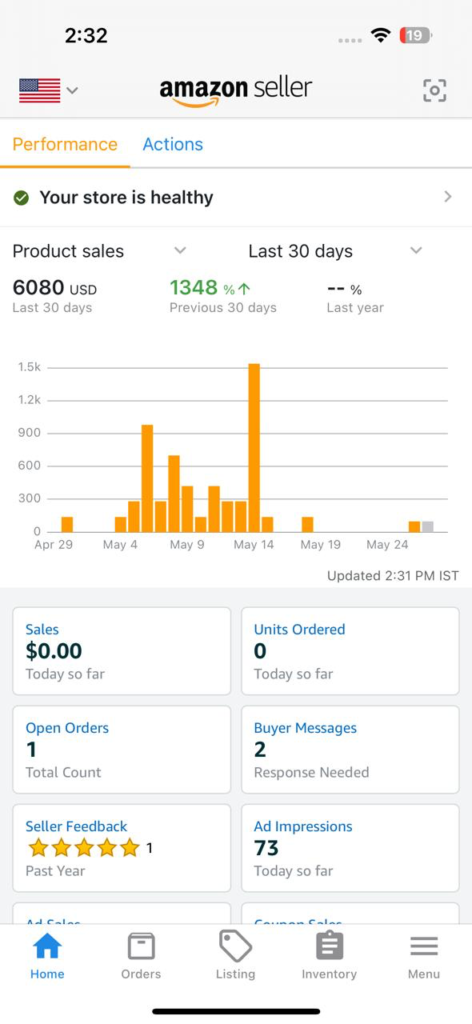
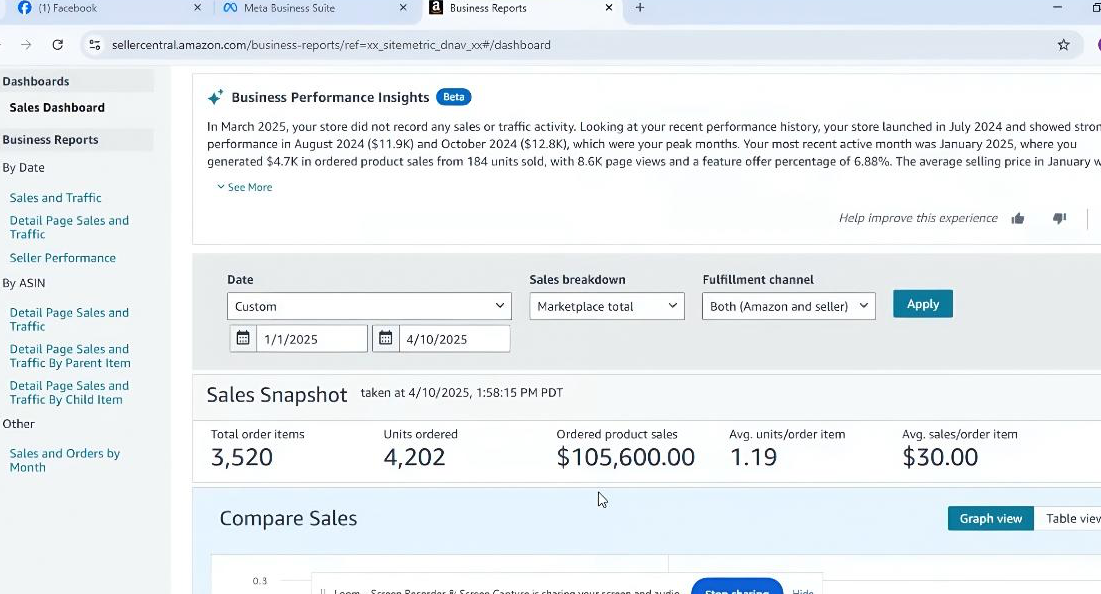
YoWhick crossed $105,000 in a single month.
That month wasn’t the finish line.
It was proof.
Where the Brand Stands Today
YoWhick now runs at roughly $600,000 to $700,000 per month.
Organic rankings are strong.
Social traffic continues to feed Amazon.
The brand has real demand, not borrowed attention.
The founder is preparing for an exit.
All from a product that once had zero visibility.
What This Case Study Actually Proves
This wasn’t luck.
This wasn’t magic.
This wasn’t a growth hack.
It was marketing with empathy.
Execution rooted in real human behavior.
And the courage to move before systems were perfect.
Sometimes you don’t scale by optimizing harder.
You scale by seeing the product the way the customer sees it.
Final Thought
If you’re building a DTC brand or scaling on Amazon, understand this clearly:
Traffic without trust doesn’t last.
Trust without traffic doesn’t grow.
You need both.
That’s how silent products turn into screaming successes.